Bologna’s Porticos: A UNESCO Treasure
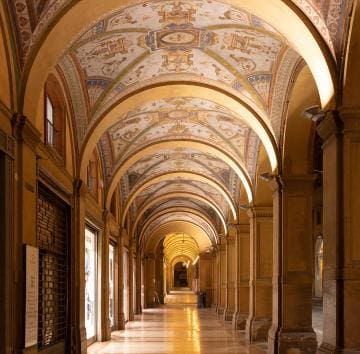
Italy has no shortage of breathtaking experiences—but some of its most profound beauty is found not in grand piazzas or famous monuments, but just overhead, in the graceful, endless arches of the Porticos of Bologna.
Wandering beneath these covered walkways is not just a practical way to explore the city—it’s a way to travel through time itself.
Today, the Porticos of Bologna stretch over 62 kilometers, offering shelter, beauty, and soul to the city. They are so unique, so culturally significant, that in 2021, they were officially recognized as a UNESCO World Heritage Site.
But what makes these porticos so special? Let’s walk through the history, stories, and secrets of Bologna’s most enchanting experience.
A Journey Back in Time: The Origins of Bologna’s Porticos
The history of Bologna’s porticos begins in the Middle Ages—specifically the 11th century.
At that time, Bologna’s influence was exploding thanks to its prestigious University of Bologna, the oldest university in the Western world. As students and scholars flooded the city, there was an urgent need for more housing and space.
Instead of sprawling outward (space was limited within the medieval walls), the solution was vertical. Property owners extended their buildings outward on upper floors, supported by wooden porticos at street level. These provided protection from rain and sun while creating new living and working spaces above.
By 1288, the city government declared porticos mandatory for all new buildings—a regulation that shaped the face of Bologna permanently.
Later, the city transitioned from wood to brick and stone construction, giving the porticos the lasting beauty and sturdiness we still admire today.
The Portico of San Luca: The Longest Walk Under Arches in the World
One of Bologna’s most iconic experiences is the Portico of San Luca.
At nearly 4 kilometers long and featuring a staggering 666 arches, it connects the city center to the Sanctuary of the Madonna di San Luca, perched on a hilltop overlooking Bologna.
Walking the Portico of San Luca is a moving experience.
Each step takes you higher, away from the bustle of the city, under a rhythmic pattern of arches that create a meditative journey.
Traditionally, this route was—and still is—a sacred pilgrimage, especially during the annual procession of the Madonna icon into the city.
For visitors today, it offers a rare moment of quiet reflection, physical challenge, and stunning panoramic views at the summit.
Tip:
Start your walk early in the morning or late in the afternoon to enjoy softer light, fewer crowds, and a more peaceful atmosphere. Wear comfortable shoes—you’ll be grateful!
Why Bologna’s Porticos Were Named a UNESCO World Heritage Site
In a country brimming with UNESCO designations, Bologna’s recognition stands out.
The Porticos of Bologna were awarded World Heritage status because they represent an urban phenomenon unique in the world: a continuous network of covered spaces that blend private and public life, commerce, culture, and social interaction.
They also embody Bologna’s character: resilient, intellectual, warm, and quietly stunning.
Unlike the grand monuments of Rome or Florence, the porticos invite you to look closer, to slow your pace, to notice the artistry in the everyday.
They turn an ordinary stroll into an unforgettable, living connection with history.
How to Walk Bologna’s Porticos Like a Local
If you want to truly experience the Porticos of Bologna, it’s not enough to admire them from afar—you need to walk them.
Here’s how to make the most of your exploration:
- Start in Piazza Maggiore.
Let the city’s beating heart be your starting point. From here, you can slip naturally into the web of porticos spreading outward. - Visit Via Zamboni.
Home to part of the University of Bologna, this area vibrates with youthful energy and rich academic history. - Admire the Portico of the Archiginnasio.
This elegant portico houses the former university library and anatomical theater—a must-see for history lovers. - Walk the Portico of San Luca.
Take your time. The journey is as beautiful as the destination. Stop often, look around, and savor the moments between the arches. - Look up!
Some ceilings are painted or carved, showcasing hidden masterpieces often missed by hurried visitors. - Pause for coffee or aperitivo.
One of the best experiences is simply sitting at a café under a portico—watching the world glide by at a Bolognese pace.
Where to Eat After Exploring the Porticos
After immersing yourself in Bologna’s arches, reward yourself with the city’s legendary cuisine:
- Trattoria di Via Serra: Beloved for authentic Bolognese dishes with seasonal ingredients.
- Drogheria della Rosa: An atmospheric, romantic spot for handmade pasta and impeccable wines.
- Sfoglia Rina: Famous for its fresh, handmade tortellini and tagliatelle al ragù.
Bologna is known as La Grassa—“The Fat One”—for good reason. Here, food is not just nourishment; it’s part of the art of living.
Final Thoughts: Why the Porticos of Bologna Are an Essential Italian Experience
The Porticos of Bologna are not as flashy as the Colosseum, nor as photographed as Venice’s canals—but they offer something arguably rarer: an intimate encounter with a city that lives, breathes, and embraces you at every step.
They are an architectural wonder.
A historical miracle.
And a timeless invitation to explore Italy in its most authentic form.
When you walk Bologna’s porticos, you don’t just see the city—you become part of its story.
